
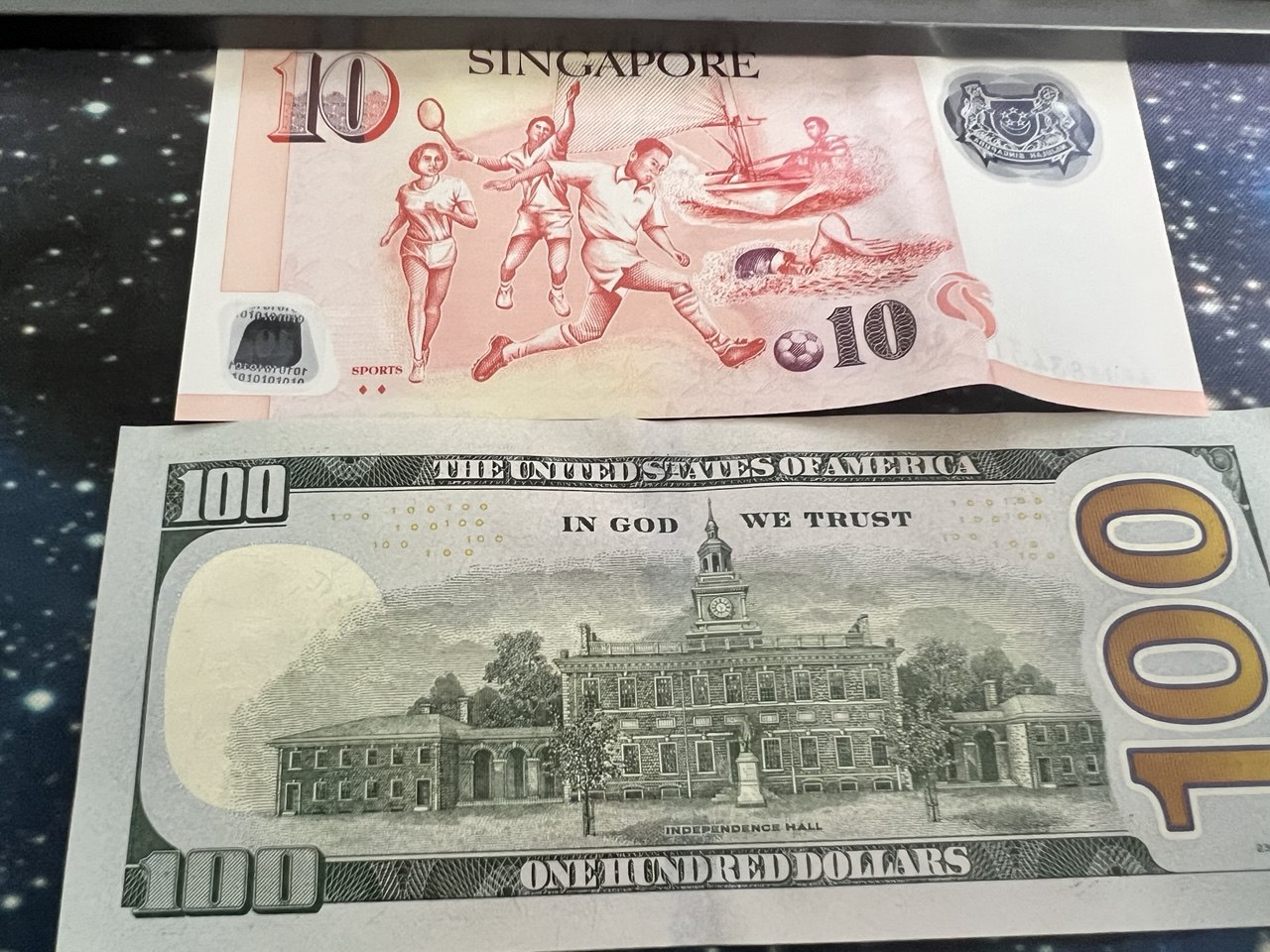

I have always believed in the importance of preparedness over prediction. The world economy today is riddled with uncertainties, and fiat currency fluctuations are one of the biggest risks that most people underestimate.
In Singapore, we pride ourselves on financial stability, but even our strong Singapore dollar (SGD) is not immune to global forces at play.
With an increasingly isolationist U.S. under Trump, rising inflation, and geopolitical instability, the very nature of money as we know it is shifting beneath our feet.
Why Fiat Fluctuations Matter More Than Ever
Fiat currencies, unlike assets backed by gold or tangible commodities, derive their value from government policies, market confidence, and global economic conditions.
This makes them highly susceptible to instability. I learned this the hard way during the 2008 financial crisis when I just graduated from university.
I saw established financial institutions collapse and they had to be bailed out by the government.
All due to their own speculative actions.
For a small, open economy like Singapore’s, which relies heavily on trade, finance, and foreign investments, these fluctuations can have severe ripple effects:
- Import and Export Volatility: A weakened SGD makes imports more expensive, driving up costs for businesses and consumers. Conversely, a stronger SGD can hurt exports by making Singaporean goods and services more expensive overseas.
- Investment Uncertainty: Investors, both local and foreign, hesitate to commit capital when currency fluctuations threaten to erode returns. This hesitation can slow economic growth and limit opportunities.
- Rising Cost of Living: Those who travel, invest abroad, or send money overseas feel the impact directly when exchange rates work against them. I remember a friend who had meticulously planned a retirement overseas, only to see his purchasing power eroded due to currency fluctuations. His plans had to be completely reworked.
Trump’s Isolationist Policies: A Wild Card for Global Currencies
With Donald Trump back to the White House, the world could once again face an era of economic unpredictability. His “America First” policies, including protectionist trade measures, withdrawal from global agreements, and threats of tariffs on key trading partners, could shake investor confidence worldwide.
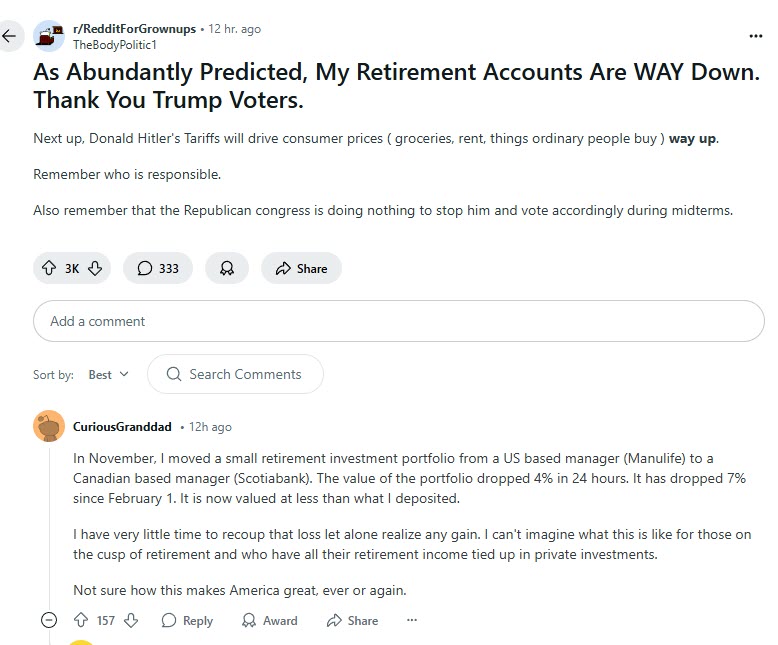
For Singapore, which thrives on free trade and global financial stability, such policies could trigger the following:
- USD-SGD Volatility: The U.S. dollar remains the world’s reserve currency. If Trump’s policies cause capital flight to or from the U.S., the SGD could swing in response, affecting everything from foreign reserves to inflation.
- Global Recession Fears: Should protectionism escalate, global trade could slow, directly impacting Singapore’s export-driven economy.
- Stock Market and Currency Speculation: With markets bracing for unpredictable U.S. policy shifts, speculative trading in the currency and stock markets could lead to sharp, erratic fluctuations.
The Global Economy Is a Powder Keg of Uncertainty
Beyond the Trump factor, the global economy is dealing with multiple headwinds that threaten fiat stability:
- Persisting Inflation: While central banks have tried to curb inflation with aggressive interest rate hikes, inflation remains stubbornly high in many parts of the world. This affects exchange rates and purchasing power.
- Debt Crises: Rising global debt levels, particularly in developed nations, create uncertainty over economic sustainability. If major economies default or struggle with repayment, global currency markets could react violently.
- Geopolitical Conflicts: From China-Taiwan tensions to the ongoing Russia-Ukraine war, political instability has historically contributed to currency volatility.
How I Protect Myself and How You Can Too
For me, I don’t believe in being complacent. I consider myself a survivor of the 2008 recession.
Job opportunities dried up almost overnight.
While I didn’t lose any money as I was just a fresh graduate back then – I saw firsthand how governments seemed to be caught off-guard about the impact.
The fact is governments will act in their own interest, and financial markets will move unpredictably.
The responsibility falls on us to ensure we are financially resilient. Here’s what I do to stay ahead:
- Diversify Savings and Investments: I do not put all my money in SGD. I hold assets in multiple currencies, stocks and commodities. True diversification must also include physical, mobile assets such as gold and silver. I saw firsthand how those affected in the 2008 financial crisis were hit hard when I graduated into a recession.
- The Reason for Property: Real estate remains one of the strongest hedges against inflation. In Singapore, multiple property ownership is discouraged through heavy taxes like ABSD. For me, a property means a solid roof over my head that provides stability for my family.
- Emergency Liquidity in a Mix of Assets: Holding some foreign-denominated savings or investments ensures liquidity in times of crisis. I once met an elderly businessman who regretted keeping all his wealth in a single currency. Over decades, he watched inflation erode his fortune. His advice: always have a financial escape plan, whether through foreign currency holdings, property, or tangible assets like gold.
- Stay Informed: Economic trends and policy changes have direct financial impacts. Following the news, understanding global shifts, and adapting accordingly is crucial.
- Reduce Unnecessary Foreign Debt Exposure: If taking on loans in foreign currencies, be mindful of potential exchange rate fluctuations that could increase repayment burdens.
Conclusion
The financial world is changing rapidly, and fiat currency fluctuations are a symptom of deeper economic shifts.
I have seen these cycles play out before, and they always punish those who remain unprepared.
Whether it is another global recession, a shift in U.S. policies, or continued inflation, the key is to remain adaptable.
The question is not whether instability will come – it always does. The real question is whether you will be ready when it does.